Georgia Landlord Guide: Rekeying Locks vs Changing Deadbolts Between Tenants
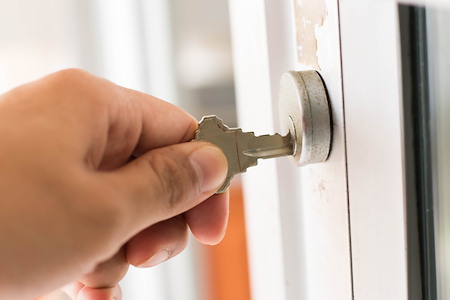
Every turnover is a security reset. For most rentals in Georgia, rekeying locks right after move-out is the fastest way to restore key control while keeping your schedule tight and your vacancy clock short. This guide breaks down how rekeying works, when a full deadbolt change is smarter, and the practical steps landlords can use from Metro Atlanta to Macon to keep units safe and compliant.
If you want a straightforward, portfolio-friendly option, explore our lock rekeying service and see how it fits your next turn.
Why Georgia Landlords Should Rekey Between Tenants
When a tenant leaves, you cannot know how many keys are in circulation. Housekeepers, pet sitters, roommates, contractors, or past tenants may still have copies. Rekeying replaces the key pattern inside the existing cylinder so old keys no longer work. That restores control without swapping the whole lockset.
Always rekey after each tenancy to reduce risk, show due care, and align with common expectations for safe, habitable housing. It also standardizes access for leasing, make-ready, and vendors across your portfolio.
What Rekeying Actually Does To a Lock Cylinder
Rekeying focuses on the pin-and-tumbler core. A trained locksmith removes the cylinder, replaces the internal pins or cores to match a new key profile, then reassembles and tests the lock. Your door hardware, strike, and faceplates remain in place, which helps preserve Door Unit Aesthetics and any HOA or historic-district requirements common in neighborhoods like Grant Park or Decatur.
Because the hardware stays, crews can move faster on busy turnover days. In older Atlanta bungalows where doors swell during humid summers, a quick fit-and-function check during rekeying also spots minor latch or strike alignment issues before showings start.
When To Change Deadbolts Instead
Rekeying is not the answer every time. Choose a full replacement when you see issues that affect safety or reliability. Examples include damaged cylinders, loose or stripped screws, visible tampering, or hardware that no longer meets your property standard.
- Locks with heavy wear, corrosion, or sticking that returns after adjustment
- Unknown or mismatched hardware sets across doors that prevent a single-key system
- Upgrades to higher-grade deadbolts or smart locks for exterior doors exposed to the street
- Doors or frames with strike-box damage where a stronger, reinforced kit is required
In these cases, replacing the entire lockset tightens security and gives you a clean, documented reset. For owners running value-add turns in Marietta, Smyrna, or Macon, replacement can also unify finishes across a building so the listing looks consistent in photos.
Portfolio Efficiency From Metro Atlanta To Macon
Landlords with scattered-site homes and multifamily units want predictability. Rekeying scales well across a portfolio because it reduces parts variability and shortens onsite time. Crews can run a repeatable process across Decatur, College Park, Roswell, Warner Robins, and Macon without juggling brand-specific quirks at every door.
Two small changes create big gains at scale: standardize the deadbolt height and backset where possible, and keep a simple key code plan by property and unit. That lets your team coordinate vendors and showings with fewer delays during wet spring weekends or hot July afternoons when doors swell and schedules slip.
Habitable And Secure: Meeting Georgia Obligations
Georgia law expects landlords to provide a home that is safe and reasonably secure. While statewide rules do not spell out every step for key control, common practice is clear. Do not reuse keys between tenants. Rekeying or replacing locks as part of your make-ready shows you took reasonable steps to protect the next resident.
Document the change in your turnover notes with the date, door list, and who received keys or codes. Keep a copy with your move-in inspection. If a question comes up later, a simple paper trail helps you demonstrate that access was controlled from day one.
Local insight: summer thunderstorms and humidity in Georgia can make older wood doors swell and bind. Plan your rekey before photos and showings so any latch tweaks happen early and the door opens smoothly for prospects.
Step-By-Step Security Reset After Move-Out
Turnovers move fast. Use this simple sequence to protect access while your unit is readied for listing photos.
- Secure possession. Confirm the move-out is complete and you have legal control of the unit.
- Rekey exterior locks first. Limit who can enter while crews clean and repair.
- Update codes. If you use keypads or garages, clear all old codes and issue fresh ones.
- Distribute keys. Track how many you cut and who received them. Document the chain of custody.
- Test every door. Lock, unlock, and pull against the door to confirm a firm latch.
- Record the work. Snap quick photos of the rekeyed locks for your file.
Rekeying Locks vs Changing Deadbolts: How To Decide Fast
Use condition and timing as your tie-breakers. If the hardware is solid and you need the unit safe today, rekey. If the lock is worn, mismatched, or you are upgrading curb appeal during paint and make-ready, change the deadbolt. For mixed portfolios from Buckhead to Vine City or from North Macon to Ingleside, set a standard: rekey by default, replace only when condition or upgrades call for it.
For a quick refresher on benefits, this article on the advantages of rekeying your locks explains why many owners choose rekeying first during routine turns.
Key Control For Property Management Teams
Clear key control makes leasing smoother and cuts risk in multi-unit buildings:
- One-key systems per unit. Exterior knob and deadbolt keyed alike reduce confusion.
- Maintenance keys. Keep a secure maintenance set and log checkouts. Never hand vendor keys to residents.
- Code hygiene. Remove all temporary access codes after make-ready and again at move-in.
- Service windows. In Atlanta traffic, morning appointments help vendors avoid delays on I‑285 and reach Decatur, Marietta, or College Park on time.
Avoid Common Turnover Pitfalls
Three issues slow down Georgia turns more than any others. First, forgetting to rekey the back door or garage-to-kitchen door still leaves a way in. Second, missing striker alignment after a paint job can make a fresh key feel “wrong.” Third, new residents sometimes get too few keys. Provide what your lease requires and log the handoff so there is no confusion later.
When you standardize your process, you cut surprises. Rekeying also prevents accidental showings with old keys, which protects your leasing team and current residents in duplexes or small communities around Macon’s Historic District.
How EvictionCrews.com Supports Faster, Safer Turns
EvictionCrews.com secures rentals across Georgia with a simple, repeatable workflow that aligns with your lease language and property standards. Our team coordinates with your make-ready schedule so rekeying happens before photos and ahead of showings. If a lock fails inspection, we identify it quickly and recommend the right corrective step.
To streamline your next turn, review our approach on the rekey locks page and schedule the day that fits your calendar. You will get consistent documentation for your files and a clean key handoff for move-in.
Your Next Move
Strong access control is a low-effort win that pays off at every turn. If you manage units from Midtown to Macon, build rekeying into your standard checklist and keep proof of the change in your records. For a statewide partner who understands Georgia traffic, weather, and building quirks, contact EvictionCrews.com at 404-418-8238. For more background and services, start at rekeying locks Georgia and see how our team supports safe, fast turnovers without guesswork.
We Are The Premier Turn-Key Eviction Company. Contact Our Team Today In Atlanta For Eviction Services